Interdisciplinary Fellowship
About the Fellowship
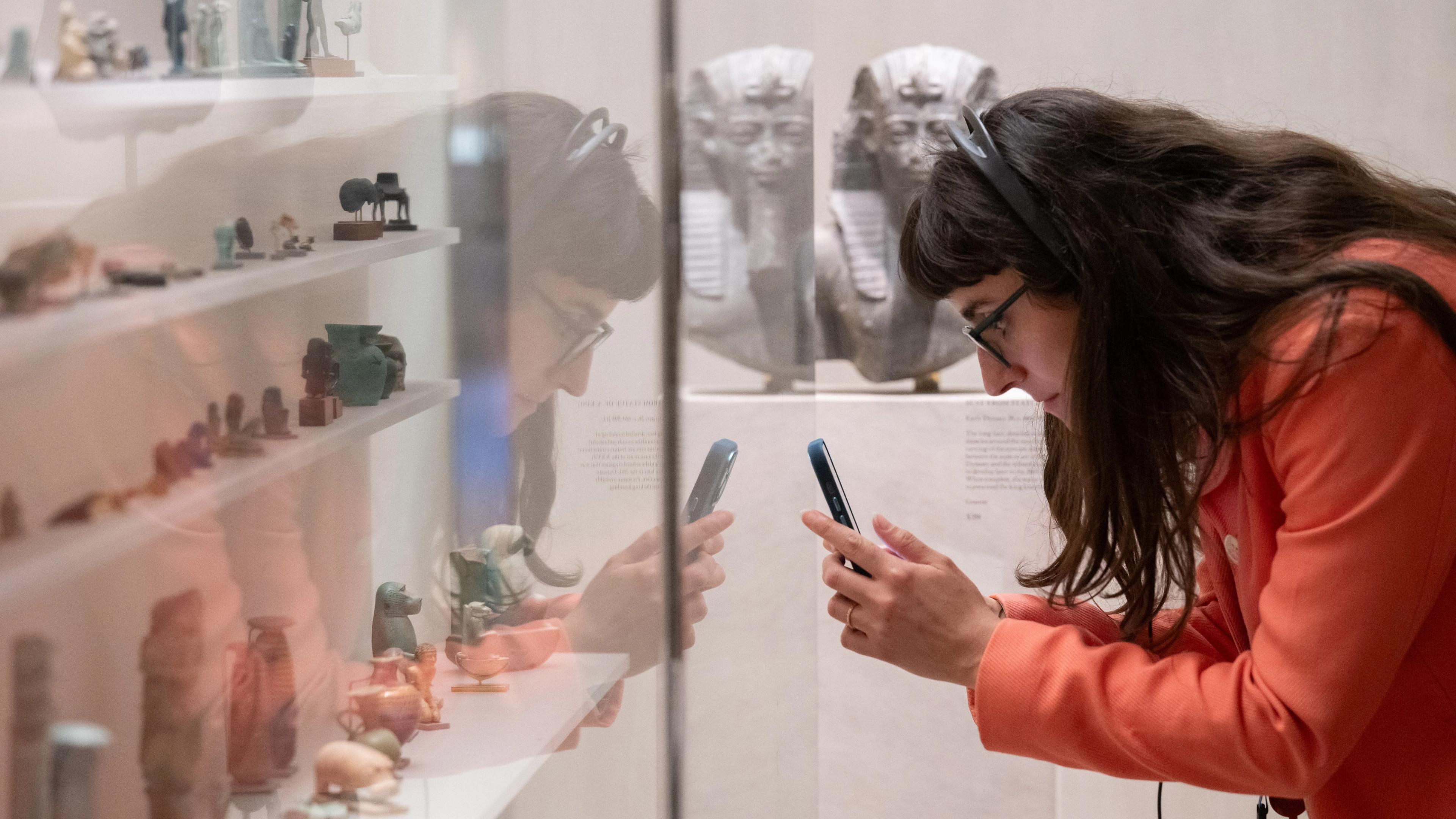
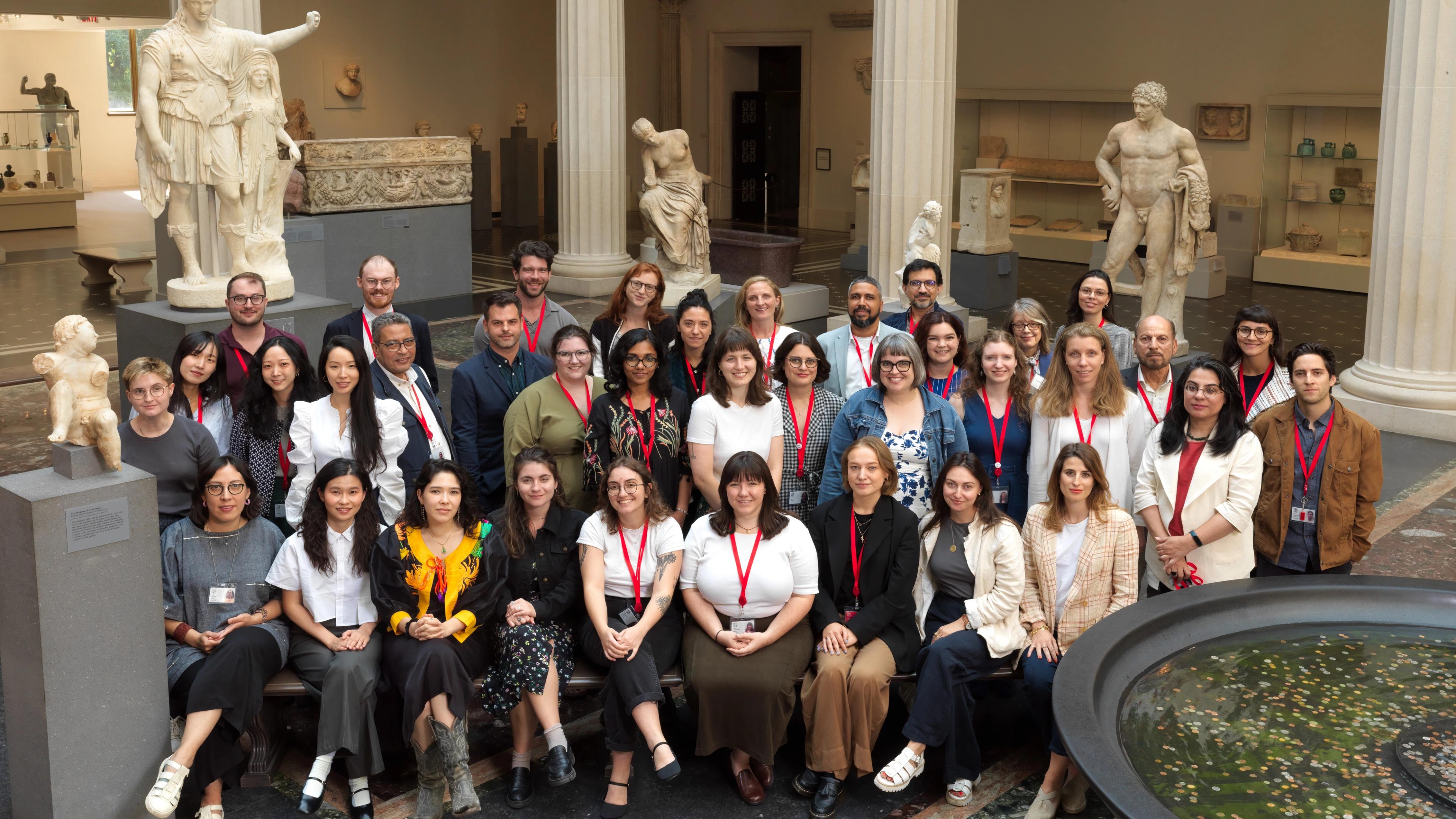
The Interdisciplinary fellowship supports independent research projects of various disciplines that make use of Met resources to explore connections between cultures and collections, bridging the arts, humanities, and sciences. Fields of study might include anthropology, archaeology, critical theory, education, ethnic studies, gender studies, history, literature, media studies, medicine, musicology, performance, philosophy, psychology, religious studies, or sociology. During their fellowship term, fellows spend the majority of their time pursuing their proposed projects within a supportive network of departmental supervisors, fellow cohort members, and staff. Interdisciplinary fellows are embedded in one Museum department but collaborate with others.
Please note: This fellowship is not intended to result in a public exhibition or program and is not for projects primarily art historical in nature, even if involving multiple subspecialties.
- The interdisciplinary fellowship is open to candidates holding a graduate degree at the MA level or beyond.
- Junior fellowships are awarded to those applicants who are working on their PhD on the application deadline date. Applicants who receive their PhD after the submission deadline are not eligible for the senior fellowship.
- Senior fellowships are awarded to those applicants who hold a PhD on the application deadline date and/or are well-established scholars.
- All fellowships must take place within the fellowship period. All fellows must be in residence at The Met for the entirety of their 12-month term.
- Individuals who are neither US citizens nor permanent residents are eligible to apply for The Met Fellowship Program, provided that they have or are able to obtain valid work authorization under applicable US visa regulations. If you are an international student, fellow, or worker currently in the US on a visa sponsored by another entity (e.g. a university, another museum, or employer), we strongly encourage you to speak to your university’s foreign student office or visa sponsor before applying. If you are currently in the US on an F-1 visa sponsored by a US college or university, you may request CPT or OPT from your school to participate in the Fellowship Program. Please contact your university’s foreign student office prior to applying.
- If you are not currently in the US, The Met may be able to sponsor successful applicants as part of the J-1 Exchange Visitor Program, if they are eligible. Please note that the J-1 Exchange Program has specific regulations about repeat participation in the program; if you currently hold or have held a J-1 visa in the past, we strongly encourage you to visit the BridgeUSA website (j1visa.state.gov) and your current sponsor’s visa office to determine your eligibility to apply for another J-1 visa. Please note that The Met does not reimburse or cover costs incurred during the visa application process.
Stipend
- Junior fellows receive a stipend of $53,000.
- Senior fellows receive a stipend of $63,000.
Travel: Both junior and senior fellows also receive an additional $6,000 for research travel (maximum of six weeks).
Health insurance: Fellows receive an additional monthly payment to offset the cost of health insurance.
Application deadline: Thursday, October 15, 2026, 5 pm ET
Notification date: All applicants will be notified by the last Friday in February following the application deadline.
Fellowship period: September 1, 2027 through August 31, 2028
All applications, including letters of recommendation, must be submitted online and in English. The Met will not accept applications or related materials via email, postal mail, or in person.
All Interdisciplinary Fellowship applicants must submit (as .dox or .pdf files):
- A statement of interest and project proposal, not to exceed 1,000 words, which addresses the following questions:
1) Why is this fellowship important or integral to your career or current practice?
2) How will you utilize the Museum's resources and The Met collection to achieve your objectives?
3) What will be the concrete result(s) of your fellowship project? - A brief schedule of work to be accomplished during the fellowship period (separate from project proposal)
- A brief schedule of travel required (maximum of six weeks) during the fellowship period
- A curriculum vitae of education, professional experience, honors, awards, and publications
- Three letters of recommendation. Applicants must submit at least one academic and one professional letter of recommendation. All letters must be submitted in English and uploaded directly by the recommenders. Recommenders may not be current Met staff, contractors, or volunteers.
- Official transcripts (undergraduate and graduate)—for predoctoral (junior) fellowship applicants only. If you are at the junior level (see “Eligibility” above) you must upload a copy of your undergraduate transcript and graduate transcript. If you have transcripts from more than one institution for either category (undergraduate or graduate), please upload them as one combined file.
What to Expect After Applying
Once submitted, staff in relevant department(s) first review your application to assess the quality and feasibility of your application according to the criteria set forth on the evaluation rubric. If your proposal meets the necessary criteria, the department(s) recommend it for review by The Met’s Grants Committee, which consists of members of The Met’s professional staff appointed by the Museum’s Director and Chief Executive Officer. The committee reviews all aspects of each application submitted, using the evaluation rubric (see above). Following this assessment, the Grants Committee submits final award recommendations to the Director and CEO for review and approval. You are notified regarding the result of your application by the last Friday in February.
Please note that due to the lengthy and multiperspective review process, we are unable to provide individual feedback on applications that are not selected.
Selection Criteria
Applicants are expected to demonstrate the following:
- A clearly written, well-organized proposal with significant, well-defined research questions
- Evidence of innovative and original engagement with The Met collection and the Museum’s resources, institutional practices, or history, especially through interdisciplinary approaches
- A project that contributes meaningfully to the field and reflects strong awareness of current scholarship
- A well-developed and feasible schedule of work that can realistically be accomplished within the fellowship period
- Clear articulation of how the applicant will benefit from and contribute to The Met’s intellectual community, including use of staff expertise, The Met collection, and libraries
View the evaluation rubric for History of Art and Interdisciplinary Fellowships (PDF).
Life as a Met Fellow
Research Support, Community, and Professional Development
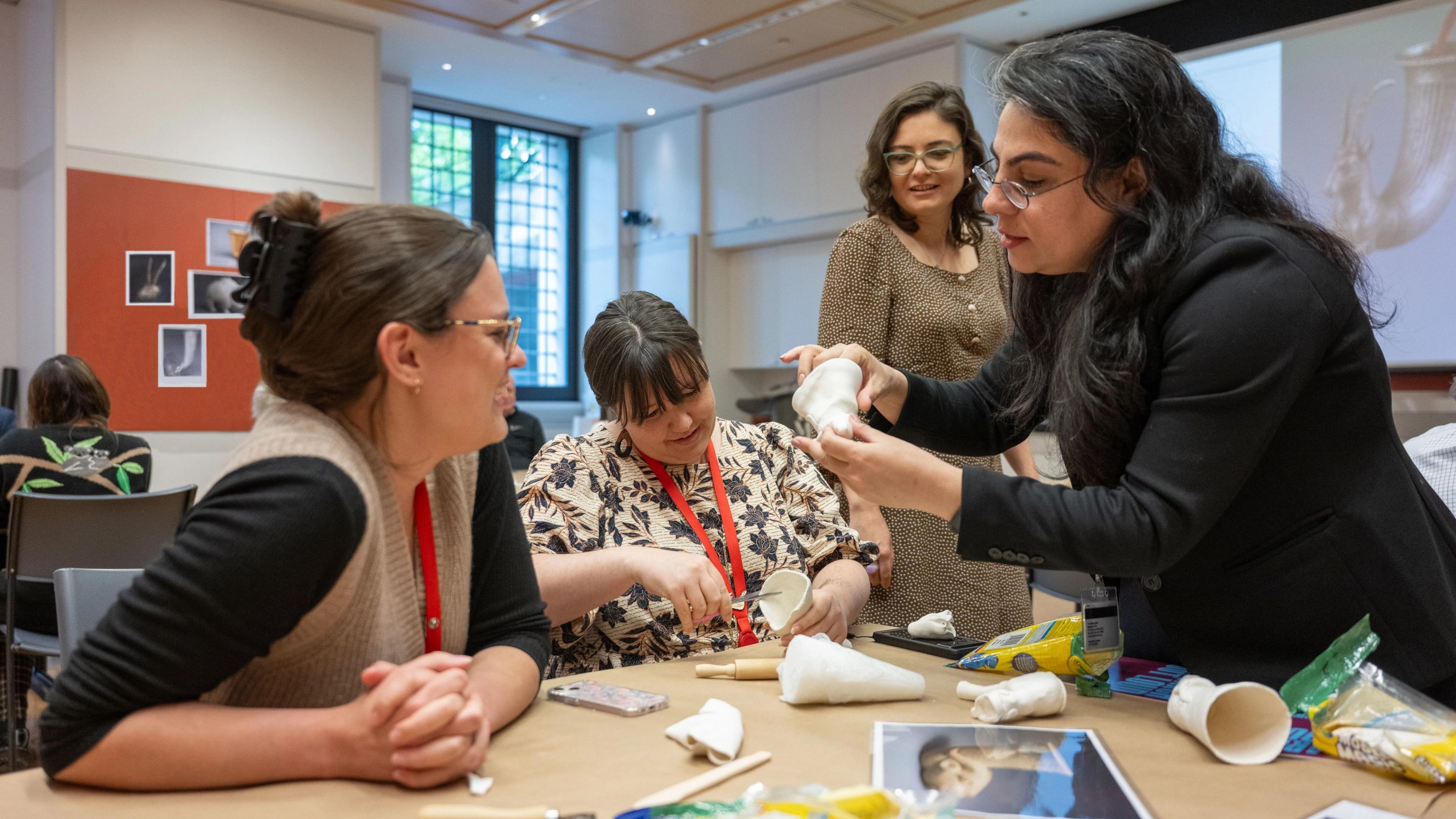
Fellows receive financial support, time for research, exposure to museum work, and access to The Met collection and libraries. Weekly programs and workshops bring fellows together with Met staff to share ideas, develop professional skills, and discuss current issues in museum practice.
Departmental Placement
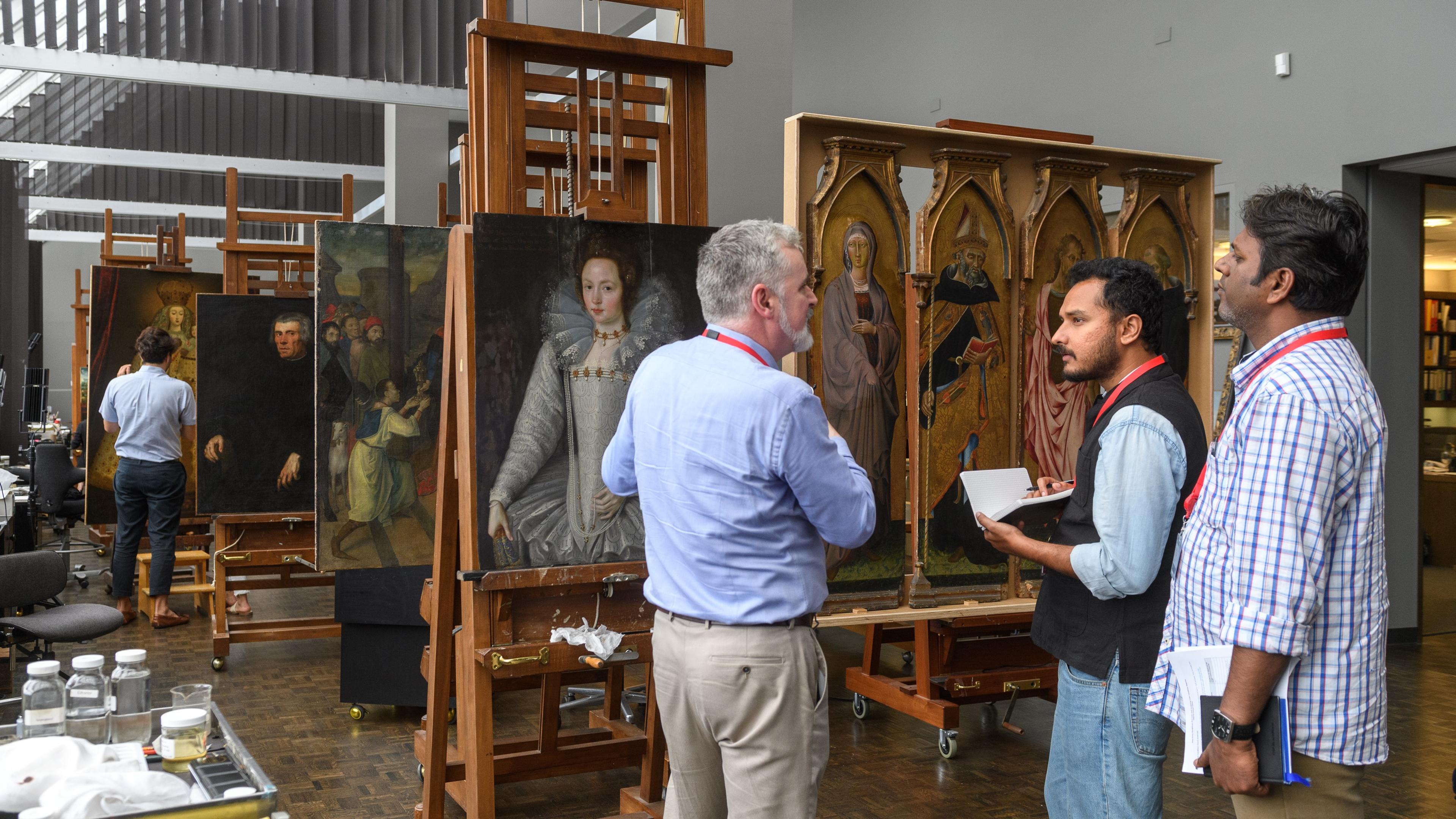
Fellows are embedded in a curatorial, conservation, audience engagement, or scientific research department with a dedicated Met staff supervisor. Browse curatorial and conservation departments. The Education, Digital, Met Live Arts, and Archives departments also host Interdisciplinary Fellows.
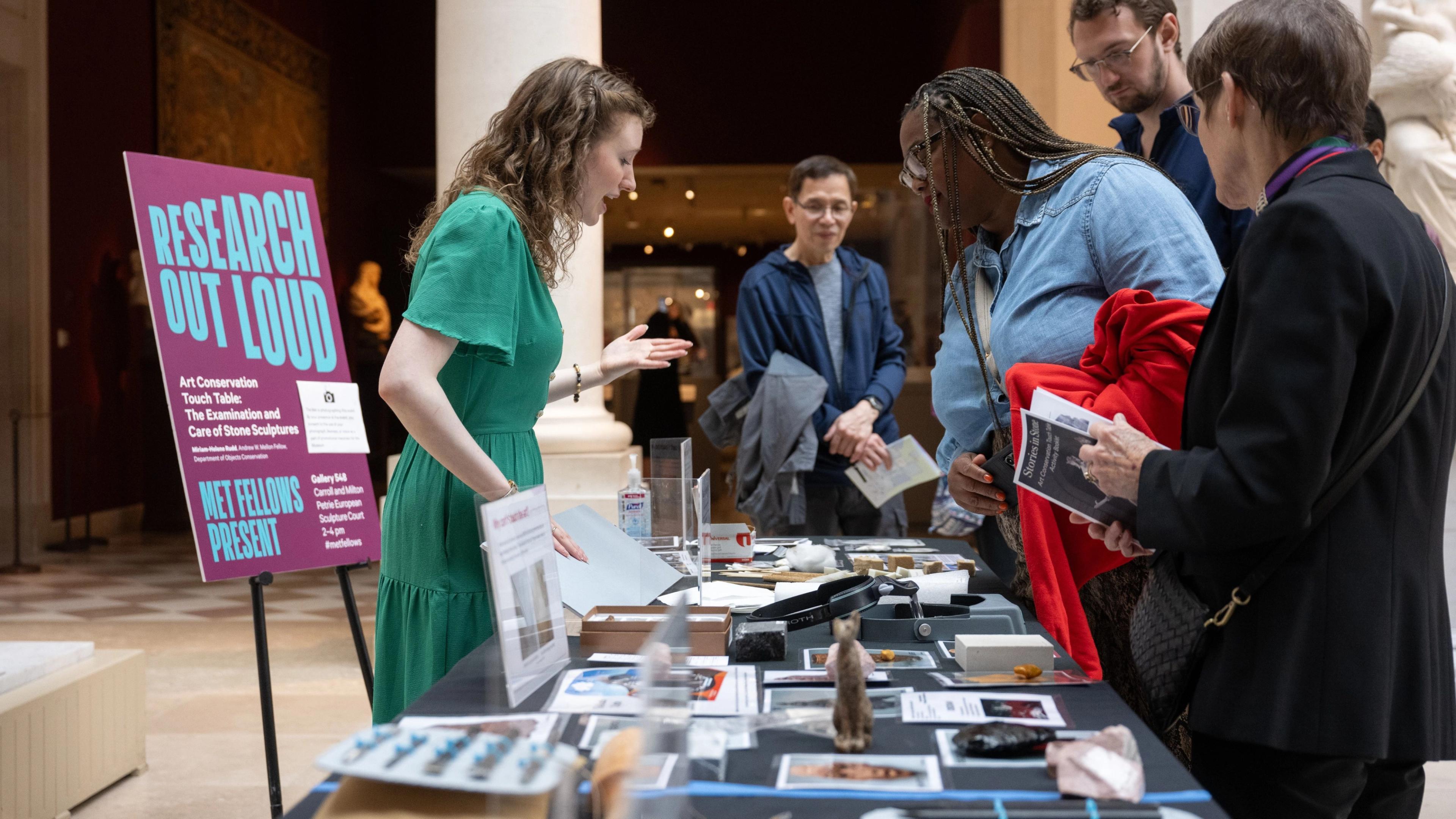
Research Out Loud: Met Fellows Present
Research Out Loud: Met Fellows Present connects the fellows with the public through a series of gallery programs and research presentations that offer cross-cultural and transhistorical connections throughout The Met collection.
Helpful Links for Fellowship Applicants